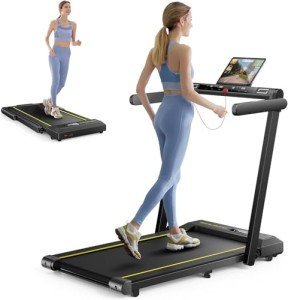
Non-Folding Treadmills: The Ultimate Guide for Fitness Enthusiasts
As home physical fitness continues to get traction, lots of people are looking for equipment that satisfies their requirements without jeopardizing quality or efficiency. One key gamer in this arena is the non-folding treadmill. Unlike folding treadmills, which are designed for compactness and portability, non-folding treadmills are usually more robust, using boosted durability and machine performance. This guide will explore the functions, benefits, restrictions, and choices offered for non-folding treadmills.
What is a Non-Folding Treadmill?
A non-folding treadmill is a stationary workout machine that does not have the capability to fold its deck for storage. Particularly developed to be a long-term component in fitness spaces, these treadmills normally have a bigger footprint, enabling for a host of comfy functions suited for major runners and gym-goers.
Benefits of Non-Folding Treadmills
- Stability and Durability: Non-folding treadmills typically have a stronger building and construction, providing them improved stability throughout high-intensity exercises. They are developed to handle varied user weights and running rates, which can prolong their life expectancy.
- Advanced Features: Many non-folding models come equipped with advanced technological functions, such as wise monitor systems, automated incline changes, and pre-set exercise programs, which cater to major physical fitness enthusiasts.
- Larger Running Surface: These treadmills typically offer a wider and longer running area, which can be especially helpful for runners who prefer to train at greater speeds or for those with longer strides.
- Better Motor Performance: Non-folding treadmills normally have more powerful motors compared to their folding equivalents, enabling for better efficiency throughout extreme running sessions.
Downsides of Non-Folding Treadmills
- Area Requirements: Since they do not fold, non-folding treadmills need more space in your house or health club. If area is a restriction, this might be a crucial consideration.
- Lack of Portability: These devices can be cumbersome to move. Walking Machine is challenging to transfer a non-folding treadmill compared to a folding one, which may be a drawback for those who move frequently or rearrange home health club designs typically.
- Price: Non-folding treadmills are typically more expensive than folding treadmills, mainly due to their innovative functions and long lasting build.
Secret Features to Consider
When trying to find the right non-folding treadmill, numerous features need to be thought about to guarantee you make a notified decision:
| Feature | Importance |
|---|---|
| Motor Power | Look for a motor of a minimum of 2.5 CHP for strong performance. |
| Belt Size | A belt width of 20 inches or wider is ideal for comfort and safety. |
| Incline Range | An incline of 10% to 15% gives more workout variety. |
| Innovation Integration | Consider designs with Bluetooth capabilities, workout apps, and heart rate tracking. |
| Warranty | A robust guarantee (at least 10 years for the frame and motor) indicates durability. |
Top Non-Folding Treadmills on the marketplace
Here is a comprehensive introduction of some of the leading non-folding treadmills presently available:
| Treadmill Model | Motor Power (CHP) | Running Surface (inches) | Incline (%) | Price Range (GBP) | Warranty |
|---|---|---|---|---|---|
| NordicTrack Commercial 1750 | 3.75 | 22 x 60 | 15 | ₤ 1,799 - ₤ 2,199 | 10-Year Frame, 2-Year Parts |
| Sole F85 | 3.5 | 22 x 60 | 15 | ₤ 1,699 - ₤ 2,099 | Life Time Frame, 5-Year Parts |
| Life-span TR3000i | 2.5 | 20 x 56 | 15 | ₤ 999 - ₤ 1,299 | Lifetime Frame, 5-Year Parts |
| ProForm Pro9000 | 3.0 | 22 x 60 | 15 | ₤ 1,499 - ₤ 2,299 | Lifetime Frame, 2-Year Parts |
| Horizon Treadmill 7.0 AT | 3.0 | 20 x 60 | 12 | ₤ 899 - ₤ 1,099 | Lifetime Frame, 1-Year Parts |
Frequently Asked Questions About Non-Folding Treadmills
1. Are non-folding treadmills better than folding ones?Non -folding treadmills typically use better stability, sturdiness, and advanced features. This makes them ideal for major runners, but it eventually depends upon individual needs and available area.
2. Can a non-folding treadmill be utilized for walking?Yes! Non-folding treadmills are not limited to running; they can likewise be perfect for walking and can accommodate a large range of physical fitness levels. 3. Just how much area do I need for a non-folding treadmill?It is recommended to have a dedicated location determining at least 7 feet long and 3 feet wide around the treadmill for safe use. 4. Is it possible to transfer a non-folding treadmill?While it can be done, it may need additional effort as they are normally heavierand bulkier than folding models. 5. What's the typical life-span
of a non-folding treadmill?With regular maintenance and correct use, non-folding treadmills can last in between 10 and 15 years or more.
Non-folding treadmills represent a significant investment
for those major about maintaining or enhancing their health and physical fitness. With their focus on toughness, stability,
and enhanced functions, they cater to users striving for efficiency and durability. Selecting the best model includes carefully considering your workout practices, area accessibility, and budget. By understanding the characteristics that make non-folding treadmills an outstanding choice, people can make educated choices that will boost their home fitness experience. Whether it's for walking, jogging, or high-intensity training, the best non-folding treadmill can be a substantial ally in achieving fitness objectives.